Food Testing Solutions by Industry
From routine quality control to rapid multi-parameter analysis, CWTC provides analytical solutions tailored to the testing requirements of major food, feed, agriculture and drinking-water sectors. Select your industry to explore relevant parameters and technologies.
Wheat, Flour & Grains
Wheat, Flour & Grains
From incoming wheat to finished flour, CWTC can support reference and rapid QC across the milling workflow.
- Protein / nitrogen — Kjeldahl and NIR
- Moisture / water
- Ash content — muffle furnace
- Fat / oil content
- Rapid multi-parameter NIR
- Incoming grain and finished flour QC
Juices & Beverages
Juices & Beverages
Laboratory, at-line and inline solutions for formulation, concentration and finished beverage quality control.
- Brix / concentration
- Acidity and pH
- Optical rotation / sugar analysis
- Organic acids and ions
- Portable refractometry
- Inline Brix / concentration monitoring
Dairy
Dairy
Reference and rapid solutions for raw milk, powders, cheese, cream and finished dairy products.
- Fat and protein
- Moisture / total solids
- Salt / chloride
- Acidity and pH
- Gerber dairy analysis
- Rapid multi-parameter NIR
Edible Oils & Fats
Edible Oils & Fats
Quality control from incoming oils and fats through finished products, oxidation stability and frying-oil monitoring.
- FFA / Acid Value
- Peroxide Value and Iodine Value
- Moisture / water
- Oxidation stability — Rancimat
- Butyro / refractive index for ghee and butter
- TPM / frying-oil deterioration — DOM-24
Meat & Poultry
Meat & Poultry
Composition and routine QC solutions for raw materials, formulations and finished meat or poultry products.
- Protein / nitrogen
- Fat content
- Moisture / water
- Ash content
- Salt / chloride and pH
- Rapid multi-parameter NIR
Spices, Herbs & Seasonings
Spices, Herbs & Seasonings
Analytical solutions for incoming spices, blends, seasonings and finished products where composition and consistency matter.
- Moisture / water
- Ash content
- Salt / chloride
- Acidity / pH
- Fat / oil-related analysis
- Rapid composition screening by NIR where suitable
Jams, Jellies, Sauces & Confectionery
Jams, Jellies, Sauces & Confectionery
QC solutions for concentration, texture, acidity and sugar-related properties in formulated and finished products.
- Brix / concentration
- Acidity and pH
- Viscosity
- Optical rotation / sugar analysis
- Moisture / water
- Salt / chloride where relevant
Feed & Food Ingredients
Feed & Food Ingredients
Reference and rapid testing for incoming ingredients, formulation control and high-throughput routine analysis.
- Protein / nitrogen
- Fat / oil
- Moisture
- Ash content
- Rapid NIR composition
- Incoming raw-material and formulation QC
Agriculture, Fruits & Honey
Agriculture, Fruits & Honey
Portable and non-destructive tools for field, receiving and quality-control applications across fresh produce and honey.
- Non-destructive fruit Brix — ATAGO HIKARi
- Portable Brix and acidity
- Honey moisture and Brix
- Optical rotation / sugar-related analysis
- Fruit and vegetable juice testing
- Special ATAGO agriculture scales / portable instruments
Drinking Water & Water Quality
Drinking Water & Water Quality
Water quality is fundamental to food and beverage production. CWTC can support routine and advanced ionic water analysis.
- Anions and cations by Ion Chromatography
- Fluoride, chloride, nitrate and sulfate
- pH and conductivity
- Hardness / alkalinity and titration-based water tests
- Trace / advanced ionic analysis where required
- Laboratory water and analytical support
Need a Complete Testing Solution for Your Food or Water Laboratory?
Tell us what you manufacture, the parameters you need to measure, and how you currently test them. CWTC can help identify the right combination of reference, rapid, at-line and inline analytical solutions for your application.
What food parameter do you need to measure?
Protein & Nitrogen Analysis
Kjeldahl
Established nitrogen and protein determination for reference analysis, routine quality control, method compliance, and the development or verification of rapid analytical calibrations.
NIR
Measure protein together with moisture, fat, and other calibrated parameters in seconds with minimal sample preparation and without routine chemical reagents or consumables.
NIR-Online
Measure protein and other calibrated composition parameters continuously in suitable production processes, providing immediate process information without waiting for conventional laboratory results.
Fat & Oil Content Analysis
Solvent Extraction
Established gravimetric fat determination using solvent extraction for accurate reference analysis and routine quality control across a wide range of food and agricultural samples.
NIR
Measure fat together with protein, moisture, and other calibrated parameters in seconds, with minimal sample preparation and without routine solvents or chemical reagents.
Gerber Method
Dedicated fat determination for milk and dairy products using established Gerber methodology and purpose-built laboratory equipment for routine dairy quality control.
Moisture & Water Analysis
Karl Fischer
Selective determination of water where conventional drying methods may be unsuitable, particularly where low levels of water must be measured accurately or other volatile components can interfere with loss-on-drying measurements.
NIR
Measure moisture together with protein, fat, and other calibrated parameters in seconds with minimal sample preparation and without routine chemical reagents or consumables.
Drying Methods
Conventional oven or moisture-balance methods remain practical for many routine food matrices where total moisture by weight loss provides the required quality-control result.
Brix & Concentration Analysis
Digital Refractometry
High-accuracy Brix and refractive index measurement for laboratory quality control, formulation work, incoming materials, and finished-product testing.
Portable Refractometry
Fast Brix and concentration checks directly beside production, during receiving, or at multiple quality-control points without sending every sample to the central laboratory.
Inline Refractometry
Measure Brix or concentration continuously inside the process for immediate visibility of product changes, reduced manual sampling, and faster process adjustment.
Salt & Chloride Analysis
Potentiometric Titration
Accurate chloride determination by automated titration for routine quality control, formulation verification, and laboratory reference analysis across a wide range of foods.
Digital Salt Measurement
Fast salt-concentration checks close to production using compact digital instruments, allowing operators and QC teams to make rapid decisions without waiting for laboratory titration results.
Ion Chromatography
Separate and quantify chloride together with other anions and cations where detailed ionic composition is required, providing considerably more information than a single salt measurement.
Edible Oil & Fat Quality Analysis
Potentiometric Titration
Automated titration for important edible-oil quality parameters including acid value, free fatty acids, peroxide value, and iodine value for raw materials, processing, and finished-product quality control.
Rancimat
Determine oxidation stability and resistance to rancidity under accelerated conditions. Rancimat testing is widely used to compare oils, fats, formulations, antioxidants, and product stability.
Total Polar Materials
Rapidly assess deterioration of frying oil by measuring total polar materials, helping food processors and commercial kitchens determine when frying oil quality has declined and replacement is required.
Acidity & pH Analysis
pH Measurement
Fast and direct pH measurement for routine quality control, production checks, formulation, fermentation monitoring, and assessment of product consistency using suitable electrodes for the food matrix.
Potentiometric Titration
Automated determination of titratable acidity and acid content for consistent laboratory analysis, reducing subjective endpoint interpretation and supporting routine food and beverage quality control.
Digital Acidity Measurement
Rapid acidity checks close to production using compact digital instruments designed for selected food and beverage applications, allowing quicker process decisions without waiting for full laboratory analysis.
Rapid Multi-Parameter Food Analysis with NIR
ProxiMate
Rapid multi-parameter analysis for routine food quality control. Measure several calibrated properties from a single sample in seconds, reducing the time and consumables required for frequent production and laboratory checks.
ProxiScout
Bring rapid NIR analysis closer to the sample for incoming material checks, production-floor testing, and flexible QC. Suitable applications can be developed and expanded as more representative samples become available.
NIR-Online
Move composition analysis directly into suitable production processes for continuous measurement of parameters such as moisture, protein, and fat, providing immediate process information without waiting for laboratory results.
Drinking Water & Water Quality Analysis
Ion Chromatography
Separate and quantify inorganic anions with high selectivity for drinking-water, environmental, and regulatory laboratories. U.S. EPA Method 300.1 specifically describes the determination of inorganic anions in drinking water by ion chromatography, including common anions and selected inorganic disinfection by-products.
Potentiometric Titration
Automate routine water-quality determinations with precise endpoint detection and repeatable analytical workflows for parameters commonly monitored in drinking water, process water, ingredient water, and environmental laboratories.
pH & Conductivity
Perform fast routine checks of fundamental water-quality parameters using reliable electrochemical measurement. pH and conductivity are widely used for drinking water, ingredient water, process water, environmental monitoring, and general laboratory quality control.
Rapid Multi-Parameter Food Analysis with NIR
Individual Analytical Methods
Multiparameter Analysis
Essential Equipment for Food Testing Laboratories
A complete food laboratory requires more than the analytical instrument itself. Sample preparation, controlled temperature, laboratory water, accurate volumetric work and safe chemical handling are all essential parts of reliable testing. CWTC supplies supporting laboratory equipment for routine food quality control, standardized analytical methods and regulated laboratory workflows.
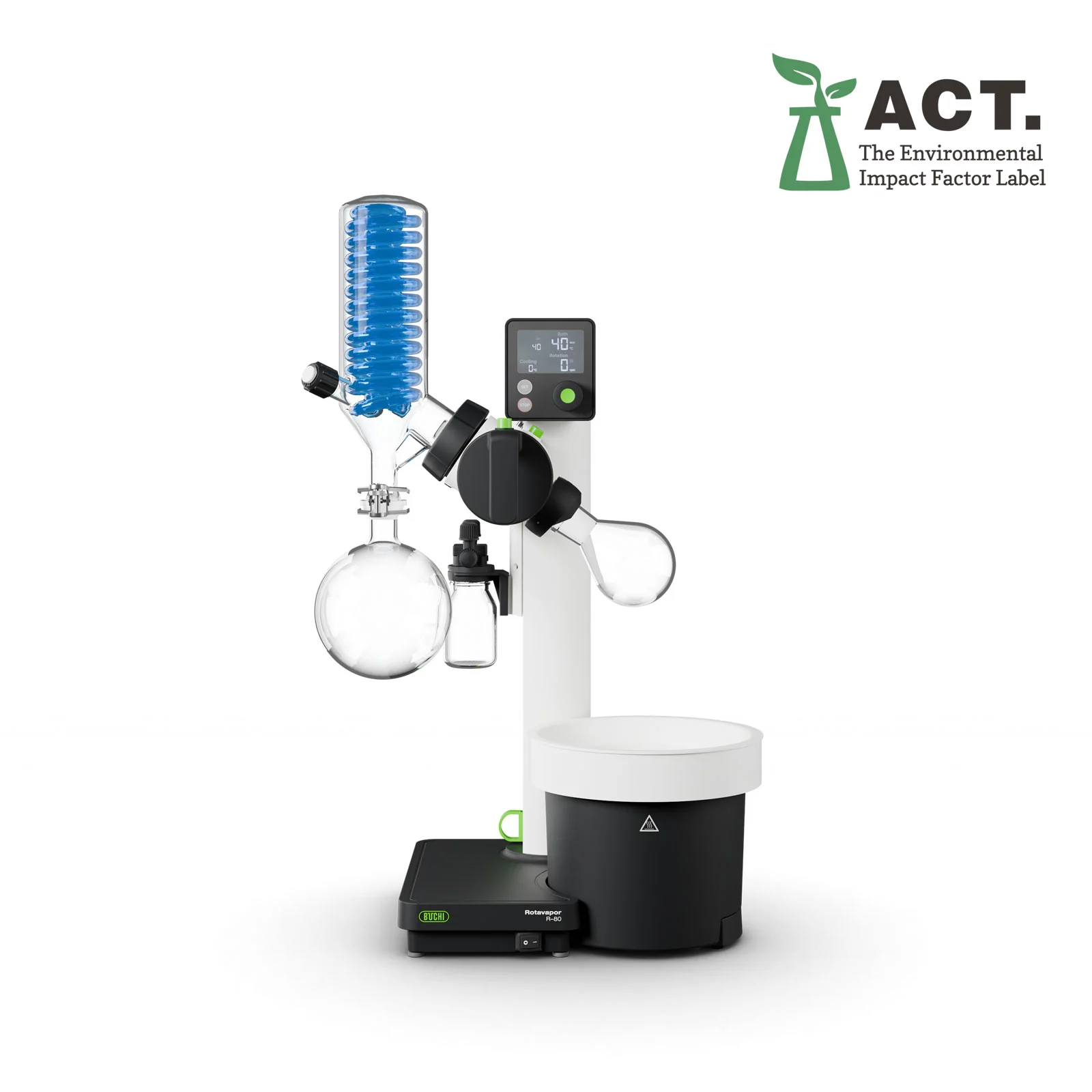
Rotary Evaporation
Solvent evaporation, sample concentration and preparation of extracts are common supporting steps in analytical food laboratories. A Rotavapor provides controlled and repeatable solvent removal for sample-preparation and extraction workflows.
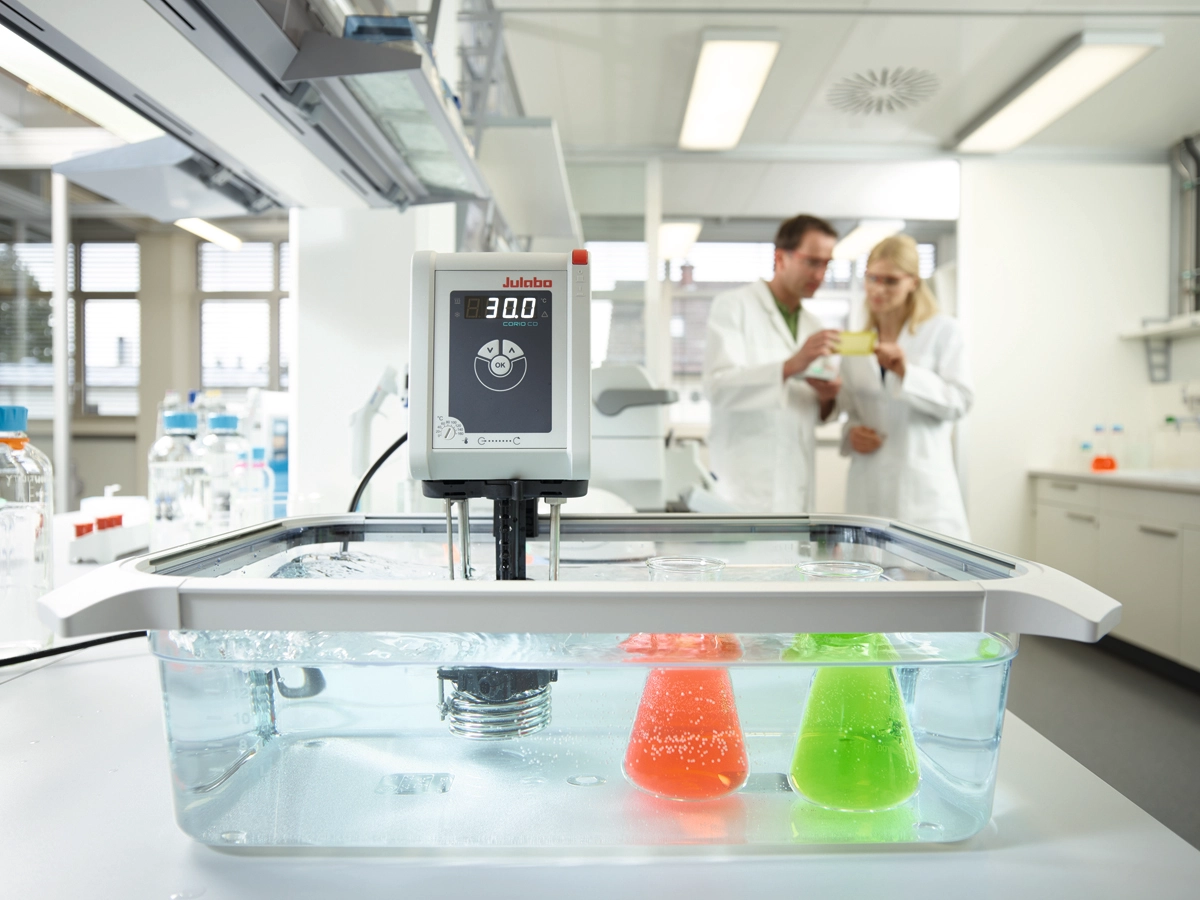
Precise Temperature Control
Many official food testing techniques, including AOCS methods, require lab tests to be carried out at below-ambient temperatures such as 20 °C with high sensitivity. This requires dynamic and precise temperature-control instrumentation. JULABO specializes in water baths, circulators and recirculating chillers for such food applications.
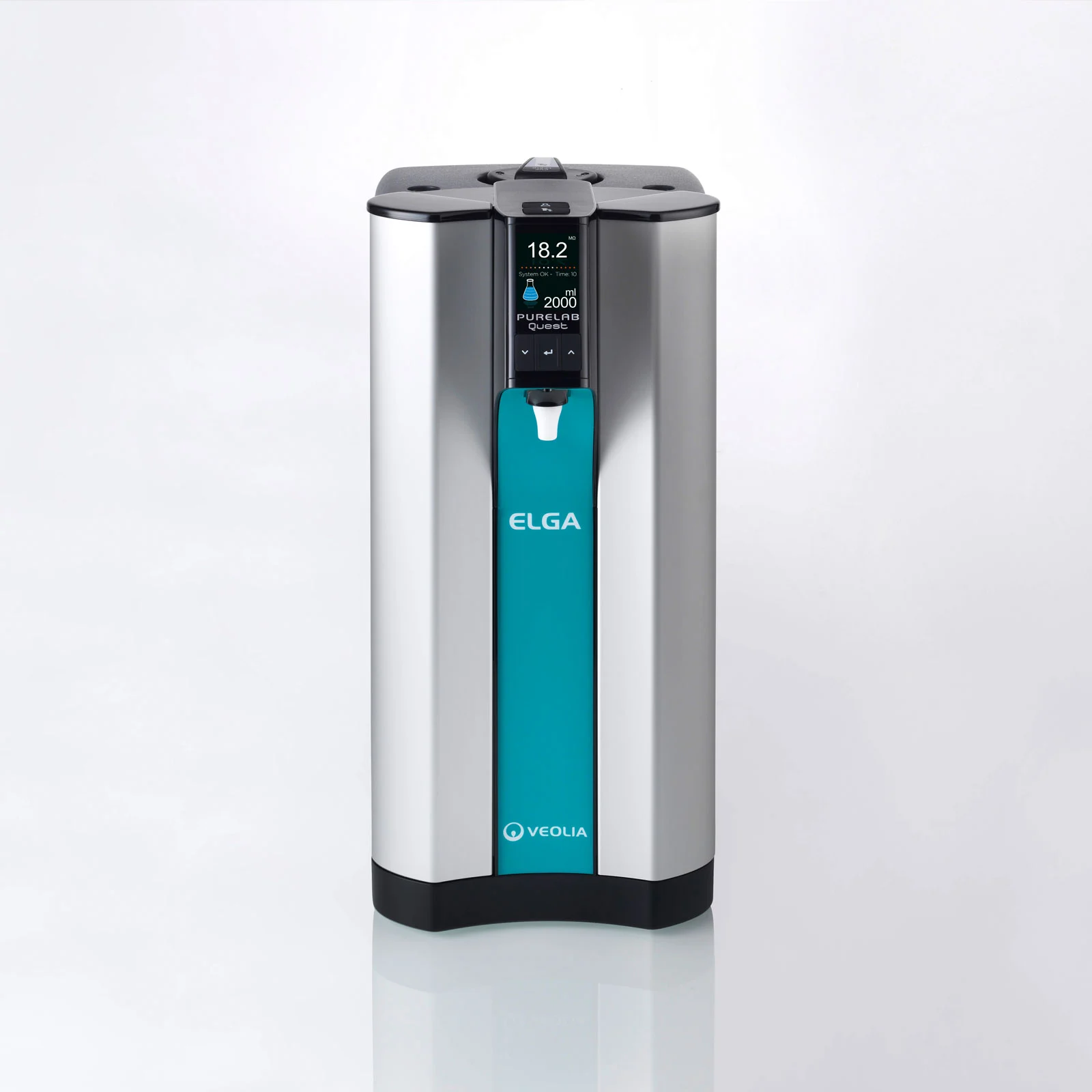
Laboratory Water
Consistent laboratory water supports reagent preparation, standards, dilutions, analytical methods and instrument operation. ELGA systems provide purified and ultrapure water according to the quality required by the laboratory and analytical technique.
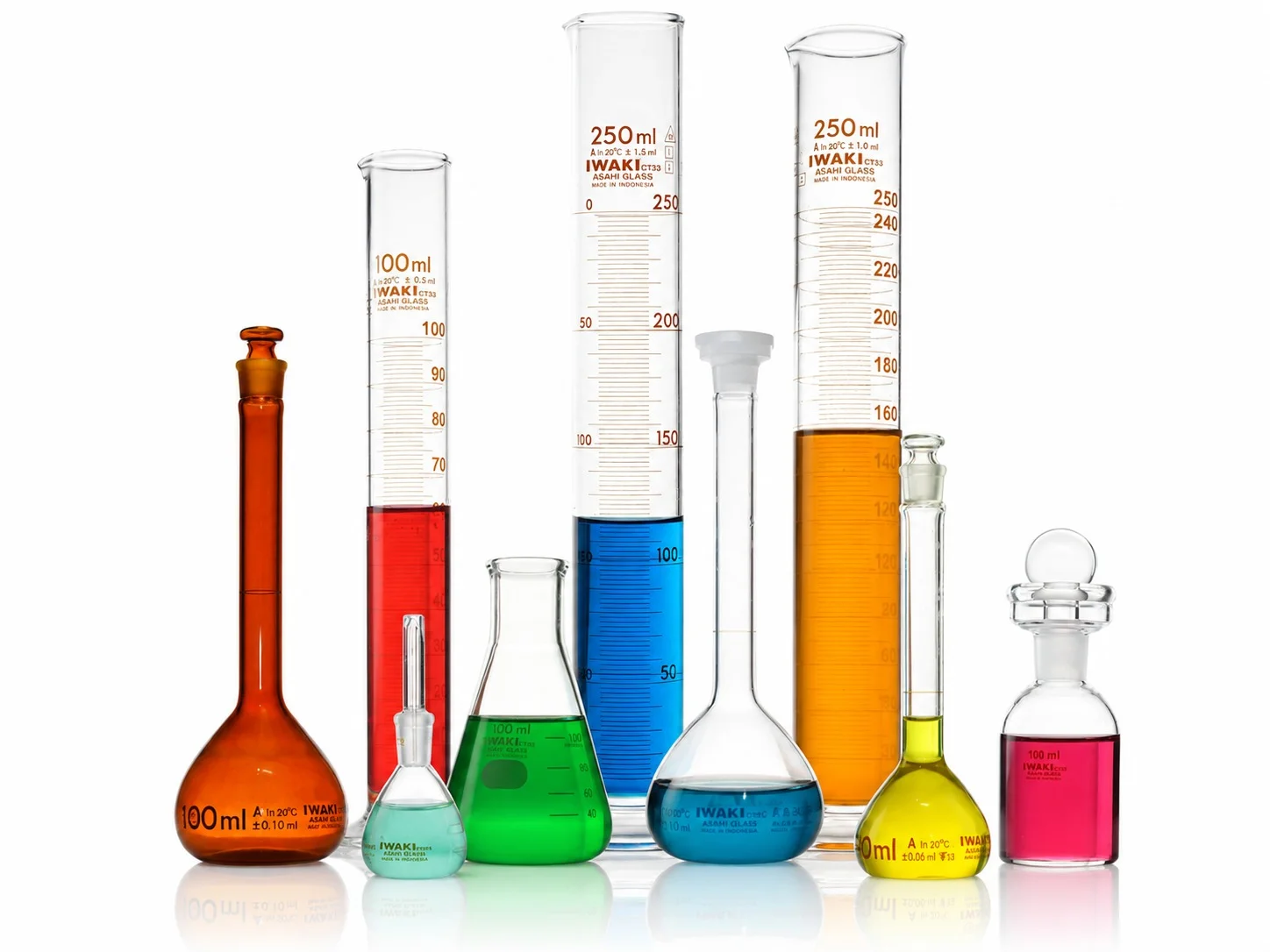
Laboratory Glassware
Accurate volumetric work remains fundamental to titration, dilution, standard preparation and routine wet chemistry. IWAKI laboratory glassware supports repeatable preparation and measurement throughout food quality-control laboratories.
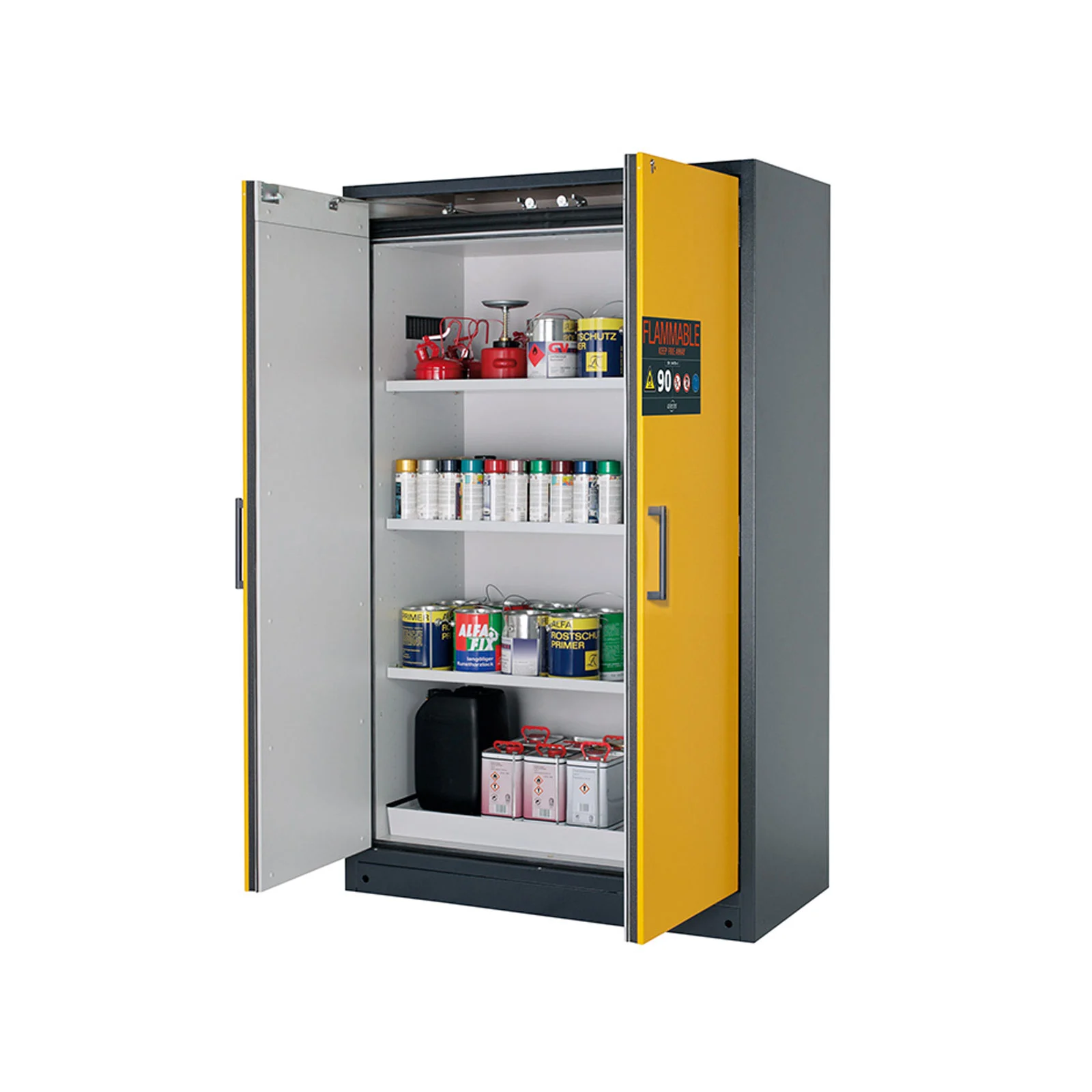
Chemical Safety & Storage
Food laboratories routinely handle solvents, acids, bases and analytical reagents. Correct safety storage supports controlled laboratory practices and reduces the risks associated with flammable, corrosive and hazardous chemicals.
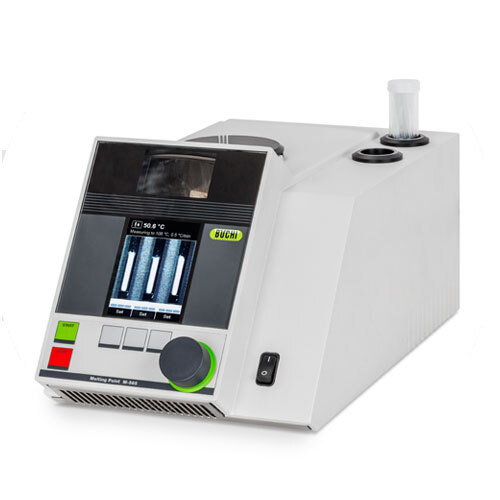
Melting & Slip Melting Point
Melting and slip melting point measurements provide important quality information for edible fats and specialty food materials. Slip melting point is particularly relevant for palm oil fractions, cocoa butter and other fats where melting behavior affects identity and product performance.
Frequently Asked Questions About Food Testing
What tests are commonly performed in a food testing laboratory?
Can CWTC provide a complete food testing laboratory solution?
How is protein measured in food, flour and feed?
Can NIR measure protein, fat and moisture at the same time?
How is ash content measured in food, flour, feed and spices?
How is Brix measured in juice and beverages?
Can Brix or concentration be measured continuously during production?
What is the difference between pH and titratable acidity in food?
How is salt or chloride measured in food?
Which tests are used to evaluate edible oil quality?
What is Butyro value and how is it used for ghee or butter testing?
How is frying-oil deterioration measured and what is TPM?
What is oxidation stability testing and what does a Rancimat measure?
What is slip melting point and where is it used in edible fats?
How is optical rotation used in sugar, syrup and honey analysis?
How is moisture measured in honey?
What food-quality tests are useful for spices and seasonings?
What tests are commonly performed on wheat, flour and grains?
What parameters can be measured in animal feed and food ingredients?
How can ion chromatography be used for drinking-water analysis?
Can food and drinking-water laboratories perform EPA methods using ion chromatography?
Does CWTC provide instruments for AOAC food testing methods?
Why do some food testing methods require measurements at 20 °C?
What equipment can maintain food samples below ambient temperature for standardized testing?
Can analytical instruments support HACCP food quality control?
Can CWTC instruments be used in GMP food laboratories?
What should I check when selecting an instrument for an AOAC, EPA, HACCP or GMP requirement?
Food Testing Resources
Explore our food testing brochures and technical resources from leading laboratory technology manufacturers.

BUCHI Food Testing Solutions
Discover BUCHI solutions for protein determination, fat extraction, NIR analysis and other essential food and feed testing applications.
ATAGO Food Testing Guide
Explore ATAGO measurement solutions for Brix, refractive index, acidity, salt, moisture and other important food quality parameters.
Metrohm Food Testing Solutions
Learn about Metrohm analytical solutions for titration, moisture determination, oxidation stability and ion chromatography in food analysis.
