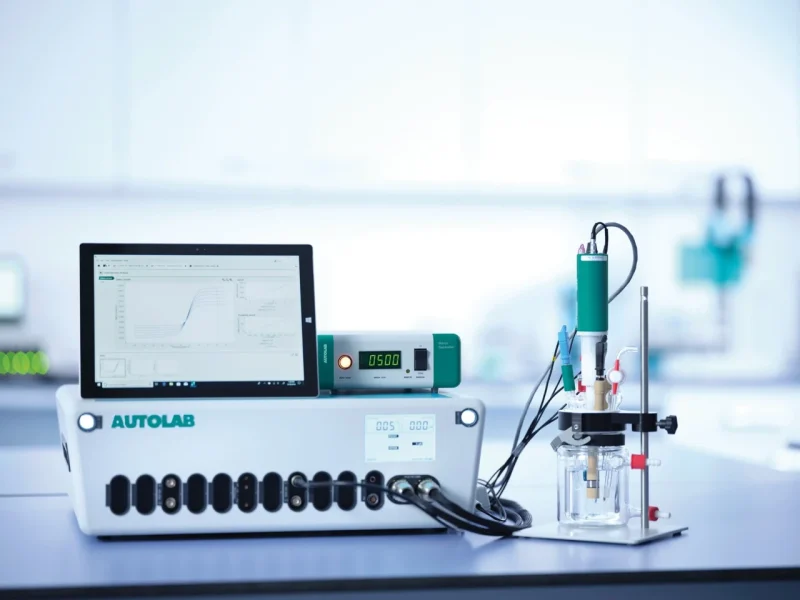
Autolab Potentiostat / Galvanostat for Advanced Electrochemical Research
Modular electrochemical workstations for impedance spectroscopy, batteries, biosensors, corrosion, electrocatalysis, solar cells, nanomaterials and fundamental electrochemistry.
Metrohm Autolab systems can be configured around the research requirement rather than a single fixed instrument. Compact PGSTAT204 systems cover a broad range of routine and advanced electrochemistry, while the PGSTAT302N provides higher current, higher compliance voltage and substantially greater modular expansion for demanding research. Multi Autolab systems extend the platform to independent parallel channels.
Electrochemical Research Areas
The same Autolab platform can be configured for very different research programs. For Pakistan, the strongest opportunities are energy materials, sensors and biosensors, corrosion and materials research, electrocatalysis, environmental electrochemistry and solar / photoelectrochemical studies.
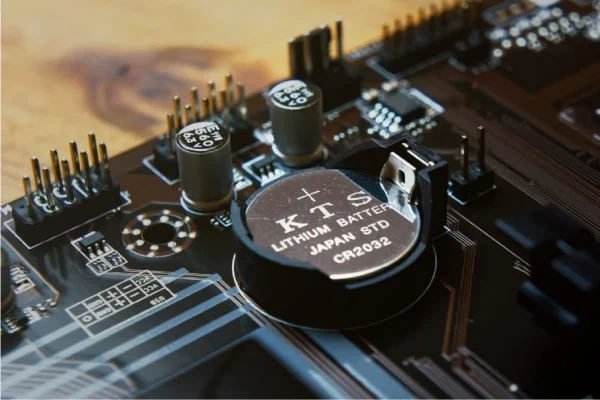
Batteries, Supercapacitors & Energy Storage
Characterize electrode materials, electrolytes and complete cells using cyclic voltammetry, galvanostatic charge / discharge, impedance spectroscopy, rate studies and long-term electrochemical testing.
Discuss battery research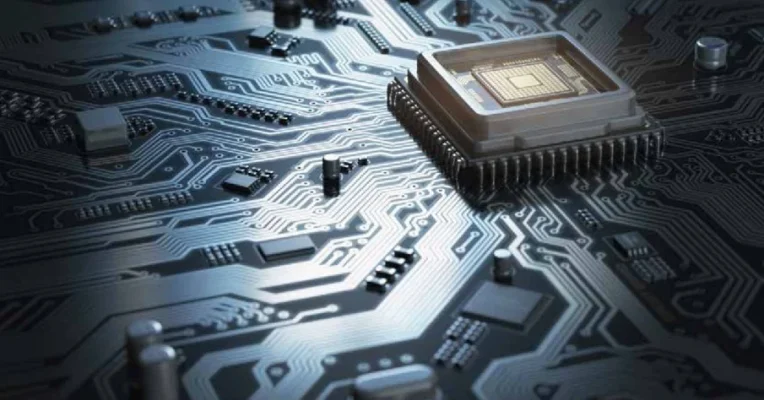
Electrochemical Sensors & Biosensors
Develop sensors for biomarkers, pharmaceuticals, heavy metals, food compounds and clinical or environmental targets. Autolab systems can be combined with Metrohm DropSens screen-printed electrodes for miniaturized and disposable sensor research.
Discuss sensor research
Corrosion, Coatings & Materials
Study corrosion mechanisms, protective coatings, passivation, polarization resistance and degradation. EIS is especially powerful for coatings and interfaces where processes occur over multiple time scales.
Discuss corrosion research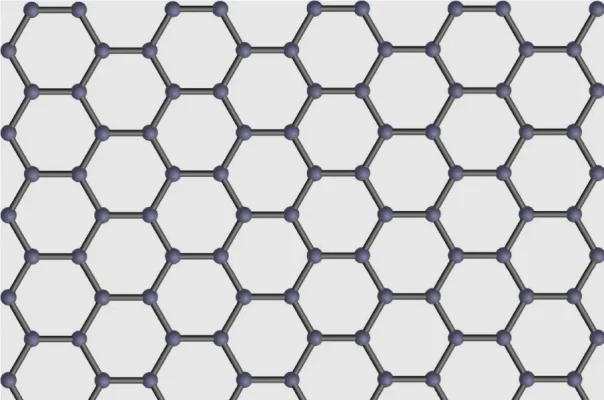
Electrocatalysis, Hydrogen & Fuel Cells
Investigate HER, OER and ORR kinetics, catalyst activity, water splitting, fuel-cell reactions, rotating-electrode experiments and mechanistic electrochemistry for energy-conversion materials.
Discuss electrocatalysis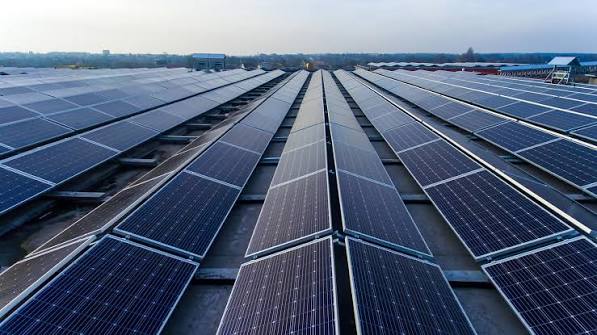
Solar Cells & Photoelectrochemistry
Characterize photovoltaic and photoelectrochemical materials, charge-transfer processes, semiconductor interfaces and light-driven electrochemistry, including synchronized optical and electrochemical experiments.
Discuss solar researchChoose the Autolab Around the Research
PGSTAT204 and PGSTAT302N use the same core electrochemical approach and NOVA environment. The main differences are current capability, compliance voltage and the level of modular expansion required. This makes it possible to select the platform around the experiment instead of forcing every laboratory into one configuration.
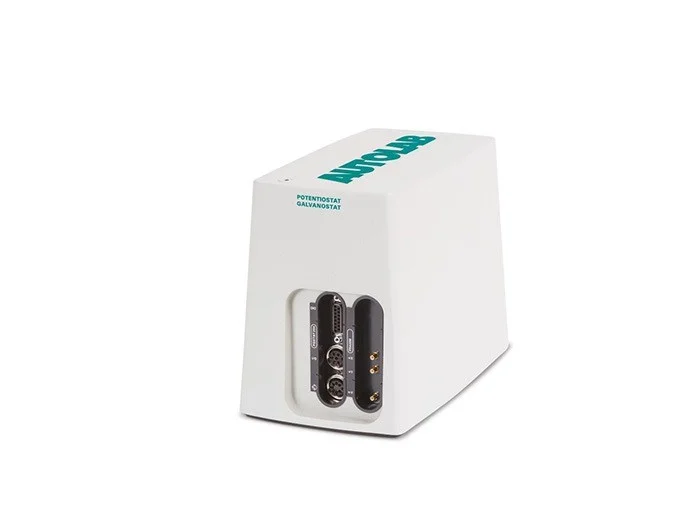
Autolab PGSTAT204
A compact modular potentiostat / galvanostat suited to general electrochemical research, sensors, corrosion, photovoltaics, batteries and EIS when configured with FRA32M.
- Compliance voltage: ±20 V
- Maximum current: ±400 mA
- Up to 10 A with Booster10A
- One internal expansion module
- FRA32M option for EIS
- NOVA software control
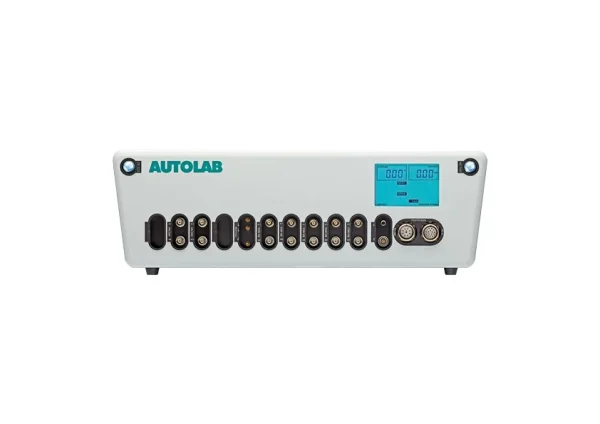
Autolab PGSTAT302N
The preferred platform where higher current, higher compliance voltage, multiple expansion modules, advanced EIS or complex synchronized experiments are required.
- Compliance voltage: ±30 V
- Maximum current: ±2 A
- Up to 20 A with Booster20A
- Up to 8 optional modules
- 1 MHz instrument bandwidth
- Designed for advanced modular research
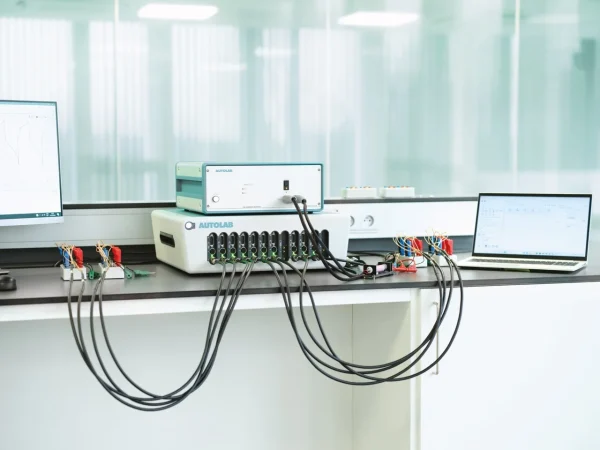
Multi Autolab / M204
Independent potentiostat / galvanostat channels for parallel electrochemical experiments, high-throughput sensor work, battery studies and research laboratories shared by multiple users.
- Independent M204 channels
- Up to 12 channels in one cabinet
- Different measurements can run simultaneously
- Optional modules can expand functionality
- Booster10A available where higher current is needed
- NOVA software environment
Modules, Current Boosters, Cells & Electrodes
Modularity is one of the strongest reasons to choose Autolab. A system can start with the techniques required today and be expanded later as the laboratory moves into impedance spectroscopy, higher-current energy research, multiple working electrodes, quartz-crystal microbalance measurements or automated multi-cell experiments.
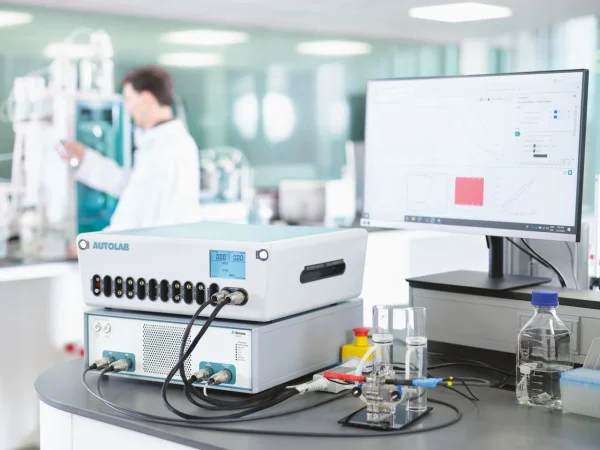
FRA32M — Electrochemical Impedance Spectroscopy
Potentiostatic and galvanostatic EIS for batteries, coatings, corrosion, fuel cells, sensors and interfaces. FRA32M covers 10 µHz to 32 MHz as a module, with Autolab PGSTAT measurements limited to 1 MHz, and includes impedance fitting and simulation in NOVA.
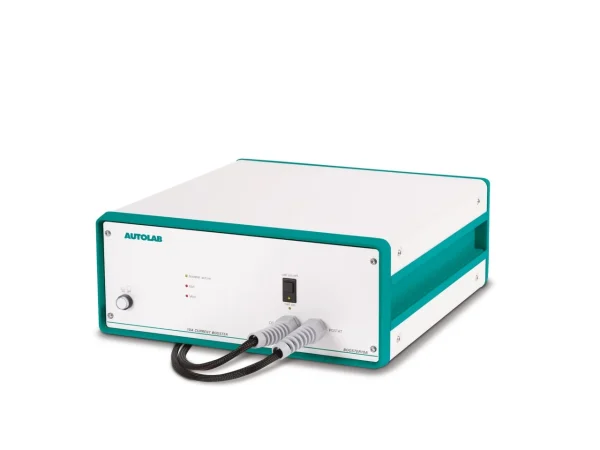
Current Boosters — 10 A & 20 A
Extend Autolab into higher-current battery, supercapacitor, fuel-cell and large-area electrode research. Booster10A supports PGSTAT204, PGSTAT302N and M204 configurations, while PGSTAT302N can be extended to 20 A with Booster20A.
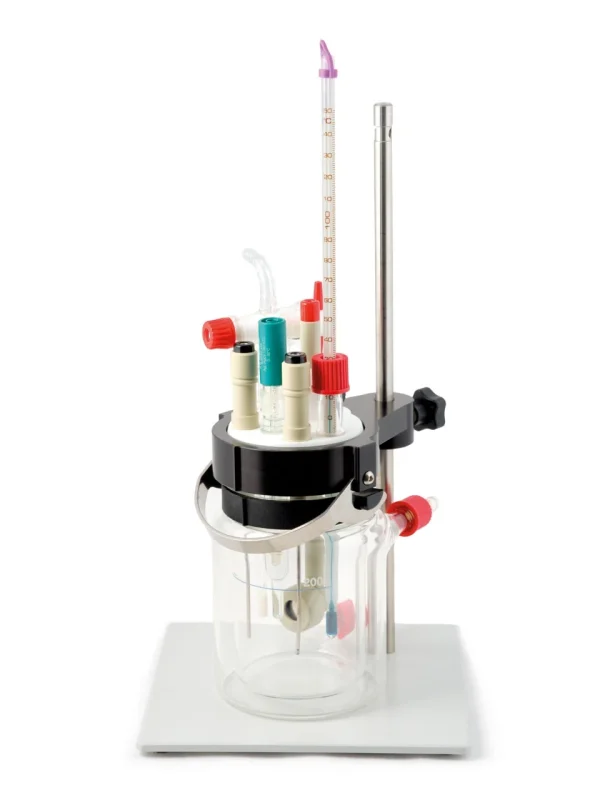
Electrodes, Cells & Research Accessories
Configure the complete measurement system with working, counter and reference electrodes, corrosion and battery cells, RDE / RRDE, Faraday cages, cables, connectors, flow cells and specialized electrochemical accessories matched to the application.
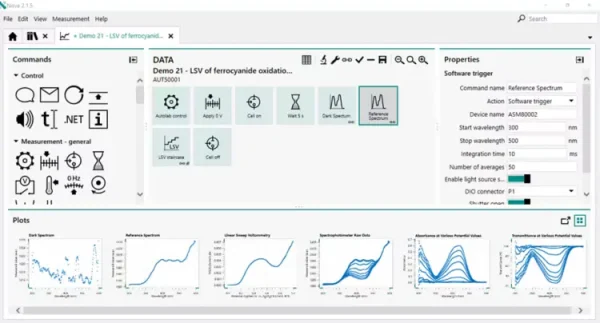
Build the Experiment, Control the Autolab, Analyze the Data
NOVA is the software environment for USB-based Autolab instruments including PGSTAT204, PGSTAT302N and Multi Autolab. Researchers can create and modify procedures, follow relevant data in real time, process and plot results, fit impedance data and integrate external devices into synchronized electrochemical experiments.
Go Beyond Conventional Electrochemistry
Autolab can synchronize electrochemical measurements with optical and other analytical techniques, allowing the researcher to connect electrical response with simultaneous structural, chemical or spectroscopic information.
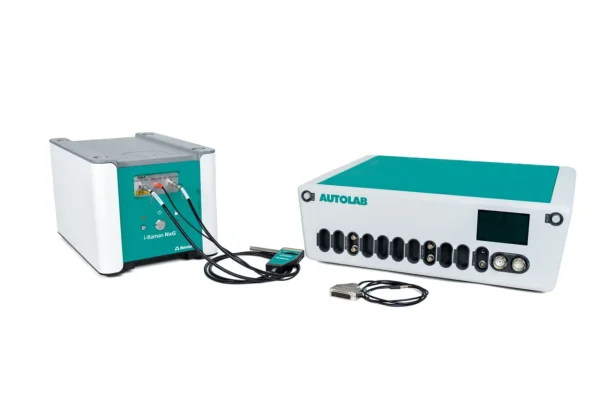
EC-Raman Spectroelectrochemistry
Synchronize the electrochemical experiment with in-situ Raman spectra to follow structural and chemical changes while potential or current is controlled. Metrohm offers dedicated EC-Raman approaches for battery research, corrosion and electrocatalysis.
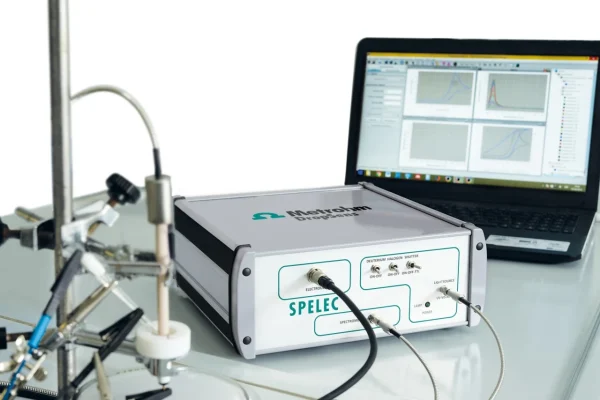
EC-UV/VIS, Photoelectrochemistry & Easy Hyphenation
Combine electrochemistry with UV/VIS spectroscopy or synchronized external devices to study redox species, intermediates, semiconductor behavior and light-driven processes. Autolab software can also support synchronization with techniques such as XRD, FTIR, SECM, EQCM and DEMS where the experimental setup requires it.
Complementary Metrohm Electrochemistry Platforms
Autolab is the modular research platform, but some projects are better served by miniaturized sensor systems, disposable electrodes or a highly integrated next-generation potentiostat. CWTC can combine these technologies within one electrochemistry portfolio.
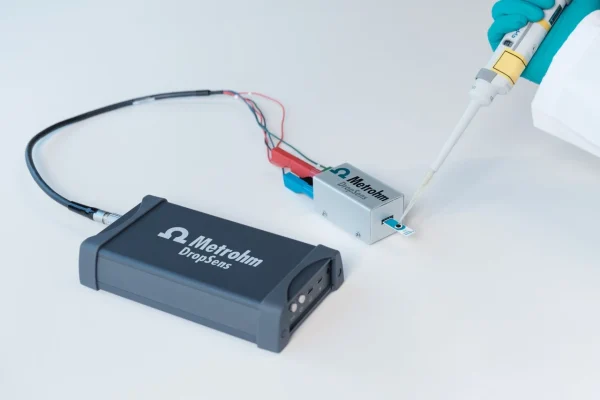
Screen-Printed Electrodes & Miniaturized Electrochemistry
Disposable screen-printed electrodes, compact potentiostats and specialized sensor platforms for electrochemical sensors, biosensors, point-of-care concepts, environmental analysis and high-throughput method development.
The DropSens range also includes impedance-capable compact instruments, spectroelectrochemistry and electrochemiluminescence solutions for research that needs miniaturized cells or integrated optical detection.
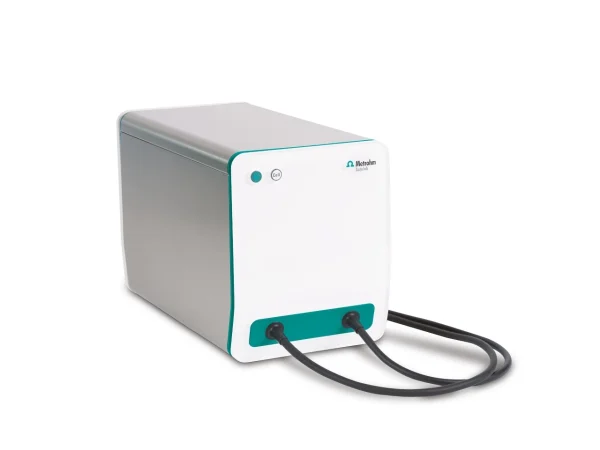
Highly Integrated Next-Generation Electrochemistry
VIONIC combines a wide range of advanced specifications in a single instrument rather than relying on a modular architecture. It offers EIS up to 10 MHz, maximum current of ±6 A, selectable floating, analog scan and Second Sense (S2) for researchers who prefer a highly integrated workstation.
Resources & Downloads
Use the official Metrohm resources below for product specifications, electrochemical research configurations and advanced applications.
Tell Us What You Are Researching
Share the electrochemical technique, sample or material, expected current and potential range, impedance requirement and research objective. CWTC can help configure the appropriate Autolab system, FRA32M, current booster, cells, electrodes, software and complementary Metrohm electrochemistry products.
Discuss Your Electrochemical Research