Petroleum, Fuel, Lubricant, Biodiesel & Bioethanol Testing in Pakistan
CWTC provides analytical and laboratory solutions for refineries, lubricant manufacturers, petroleum marketing companies, fuel terminals, oil & gas laboratories, inspection companies, biodiesel and bioethanol producers, renewable-fuel plants, government testing institutes and research facilities across Pakistan.
The portfolio covers ASTM-based petroleum and renewable-fuel testing including TAN and TBN, Karl Fischer moisture, mercaptan sulfur, bromine number and bromine index, crude-oil salt, ion chromatography and Combustion IC, biodiesel / FAME quality control, fuel-ethanol / bioethanol testing, fermentation and process monitoring, inline ethanol concentration, aviation-fuel testing, kinematic-viscosity temperature control and supporting petroleum laboratory equipment.
Petroleum Testing by Application
Select the laboratory or operating environment. Each area has different ASTM requirements, sample matrices and analytical priorities.

Refineries & Petrochemicals
Crude desalting, corrosion-related chemistry, mercaptans and sulfur species, refinery streams, process water and online process monitoring.
View relevant ASTM methods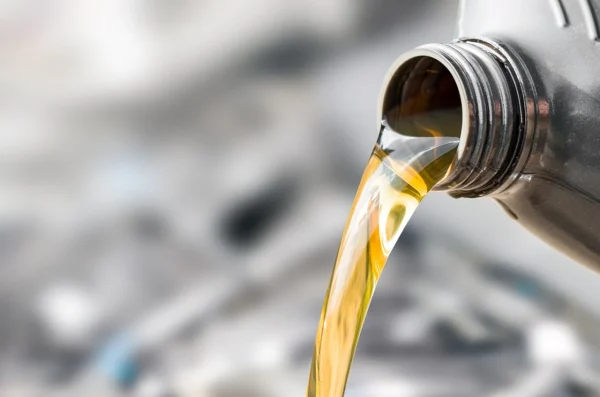
Lubricants & Used Oils
TAN, TBN, moisture, additive condition, oxidation-related testing, viscosity workflows and routine lubricant quality control.
Explore lubricant analysis
Gasoline, Diesel & Fuel Distribution
Finished-fuel quality control for terminals, depots and petroleum companies, including acidity, mercaptans, bromine methods, moisture and rapid spectroscopic screening.
Explore fuel methods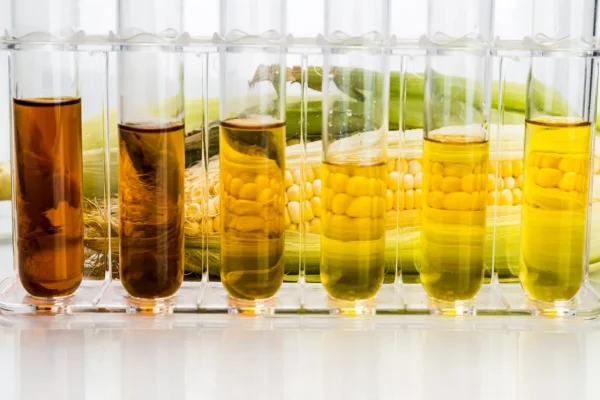
Biodiesel, Bioethanol & Renewable Fuels
B100 biodiesel, FAME blends, fuel ethanol and renewable-fuel production: acid number, water, glycerin, oxidation stability, acidity, pHe, chloride, sulfate, fermentation QC and inline ethanol concentration.
Explore renewable-fuel testing
Aviation, Marine & Specialty Fuels
Jet-fuel acidity, fuel-system icing inhibitor, moisture and other quality parameters for aviation, marine and specialist petroleum products.
Explore aviation-fuel solutions
Crude Oil / E&P
Water, salt, mercaptans, hydrogen sulfide, crude-oil quality and produced-water chemistry from upstream operations through refinery feed control.
Explore online process analysis
Independent & Regulatory Laboratories
Reference-method and contract testing for inspection companies, government laboratories, fuel and emissions laboratories, universities and independent analytical facilities.
Browse ASTM coverageASTM & Standard Petroleum / Biofuel Testing Methods
Search by ASTM method, parameter or analytical technique. The table connects common petroleum, fuel, lubricant, biodiesel and bioethanol standards with the relevant analytical platform supplied by CWTC.
| Test / Parameter | ASTM / Standard | Technique | CWTC Solution |
|---|---|---|---|
| Total Acid Number (TAN) | ASTM D664 | Potentiometric titration | Metrohm automated titration |
| Acid / Base Number by Color Indicator | ASTM D974 | Photometric titration | Metrohm titrator + Optrode |
| Acid Number in Crude / Petroleum Products | ASTM D8045 | Thermometric titration | Metrohm thermometric titration |
| Total Base Number (TBN) | ASTM D2896 | Potentiometric titration | Metrohm automated titration |
| Base Number in Used Oils | ASTM D4739 | Potentiometric titration | Metrohm automated titration |
| Mercaptan Sulfur | ASTM D3227 | Potentiometric titration | Metrohm laboratory / process titration |
| Hydrogen Sulfide in LPG | ASTM D2420 | Potentiometric titration | Metrohm titration |
| Bromine Number | ASTM D1159 | Electrochemical / potentiometric titration | Metrohm titration |
| Bromine Index | ASTM D2710 / D5776 | Potentiometric / coulometric titration | Metrohm titration |
| Acidity in Aviation Turbine Fuel | ASTM D3242 | Photometric titration | Metrohm titrator + Optrode |
| Water in Petroleum Products, Lubricants & Additives | ASTM D6304 | Coulometric Karl Fischer | Metrohm Coulometer / KF Oven |
| Biodiesel / FAME – Acid Number | ASTM D664 | Potentiometric titration | Metrohm automated titration |
| Biodiesel / FAME – Water Content | ASTM D6304 | Coulometric Karl Fischer titration | Metrohm Coulometer / KF |
| Biodiesel & Biodiesel Blends – Free & Total Glycerin | ASTM D7591 | Ion chromatography | Metrohm IC |
| Biodiesel / FAME – Oxidation Stability | ASTM D6751 specification; EN 14112 / EN 15751 / EN 16568 | Accelerated oxidation stability measurement | Metrohm Biodiesel Rancimat |
| Renewable-Diesel Feedstock – Organic Chlorine | ASTM D7359 / UOP 991 | Combustion Ion Chromatography | Metrohm Combustion IC |
| Fuel Ethanol / Bioethanol – Water Content | ASTM D7923 / ASTM E1064 | Karl Fischer titration | Metrohm KF Coulometer / KF Titrator |
| Fuel Ethanol / Bioethanol – Acidity | ASTM D7795 | Potentiometric / photometric titration | Metrohm titration |
| Fuel Ethanol / Bioethanol – pHe | ASTM D6423 | Electrochemical pHe measurement | Metrohm EtOH-Trode / pH measurement |
| Fuel Ethanol / Bioethanol – Chloride & Sulfate | ASTM D7319 | Ion chromatography | Metrohm IC |
| Fuel Ethanol / Bioethanol – Existing / Total Sulfate | ASTM D7318 / D7328 | Titration / ion chromatography | Metrohm titration / IC |
| Biodiesel / FAME – Iodine Number | EN 14111 | Potentiometric titration | Metrohm titration |
| Water in Crude Oil | ASTM D4928 | Coulometric Karl Fischer | Metrohm Karl Fischer |
| Halogens & Sulfur in LPG | ASTM D7994 | Combustion Ion Chromatography | Metrohm Combustion IC + LPG module |
| Organic Chloride in Naphtha Fraction | ASTM D8150 | Combustion Ion Chromatography | Metrohm Combustion IC |
| Salt in Crude Oil | ASTM D3230 | Conductivity / online process analysis | Metrohm 2060 TI Ex Proof Process Analyzer |
| Salt in Crude Oil – Potentiometric Method | ASTM D6470 | Potentiometric measurement | Metrohm electrochemical analysis |
| Total Nitrogen in Lubricating Oils & Fuel Oils | ASTM D3228 | Modified Kjeldahl method | BÜCHI Kjeldahl system |
| Kinematic Viscosity | ASTM D445 | Capillary viscometry at controlled temperature | JULABO DD-31A Visco Bath |
| Refractive Index of Hydrocarbon Liquids | ASTM D1218 | Refractometry | ATAGO Abbe Refractometer |
| Refractive Index of Viscous Materials | ASTM D1747 | Refractometry | ATAGO Abbe Refractometer |
| Fuel System Icing Inhibitor in Aviation Fuel | ASTM D5006 | Refractometry | ATAGO RX / Abbe refractometry |
| RON / MON Rapid Screening | Reference values: ASTM D2699 / D2700 | NIR prediction calibrated against reference results | Metrohm NIR spectroscopy |
Core Petroleum Testing Technologies
Dedicated analytical platforms for the ASTM and process-control requirements most frequently encountered in refinery, lubricant, fuel and oil & gas laboratories.
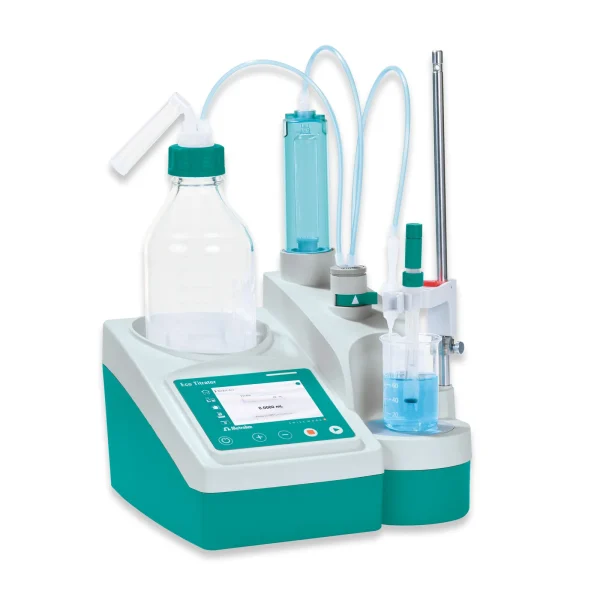
Automated Titration for Petroleum & Lubricants
Potentiometric, photometric and thermometric titration cover a large part of classical petroleum wet chemistry. Systems range from routine Eco Titrator configurations to modular OMNIS platforms for higher throughput and automation.
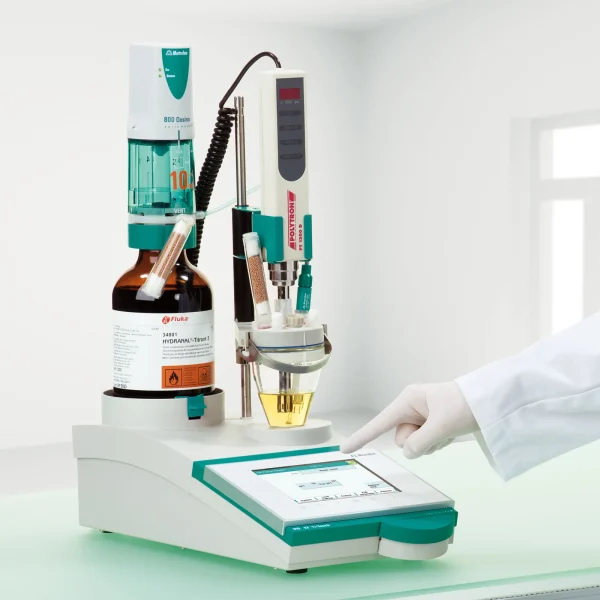
Karl Fischer Moisture Analysis
Volumetric and coulometric Karl Fischer systems provide water determination from routine moisture levels down to trace concentrations. For petroleum products, coulometric KF and oven techniques are especially important where matrix effects or very low water levels are involved.
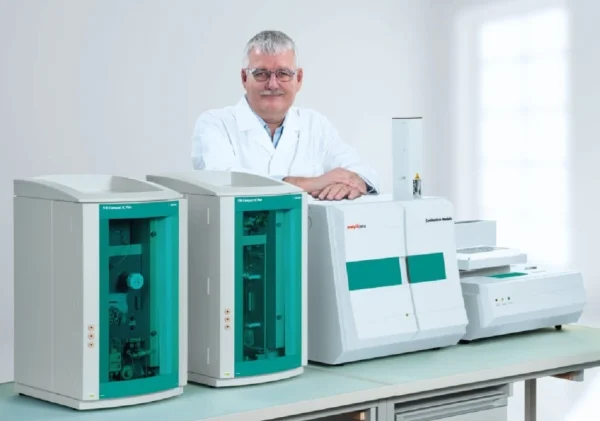
Ion Chromatography & Combustion IC
Ion chromatography supports refinery and petroleum-water chemistry, while Combustion IC extends ion analysis to combustible organic matrices. The combination is particularly valuable for halogen and sulfur analysis in fuels and petrochemical samples.
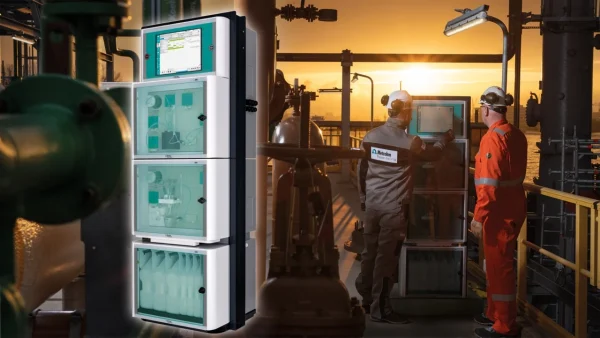
Online Process Analyzers for Refineries & Petrochemicals
Metrohm process analyzers move critical chemical measurements from periodic laboratory sampling to continuous or automated online monitoring. The 2060 platform can combine wet chemistry, ion chromatography, NIR, Raman and other techniques according to the process requirement.
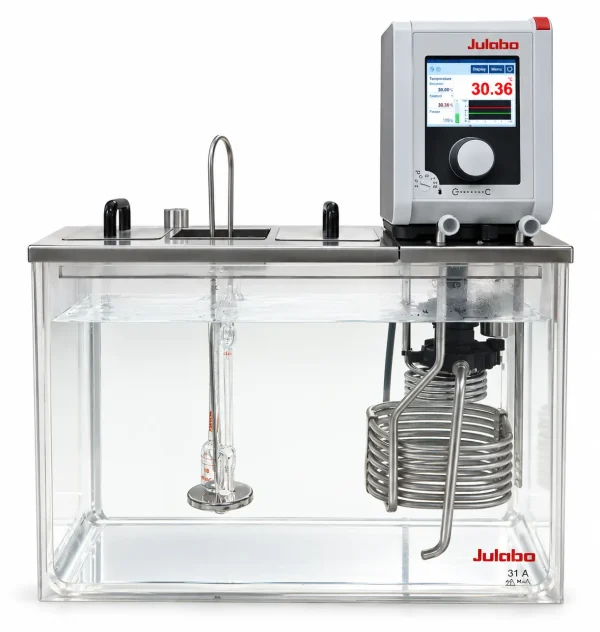
Kinematic Viscosity & Petroleum Temperature Control
JULABO temperature-control equipment supports both direct petroleum test methods and the external heating/cooling requirements of laboratory analyzers, reactors and specialist petroleum-testing assemblies.
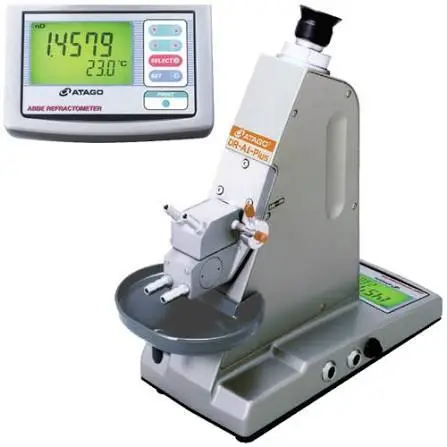
Petroleum Refractometry & Inline Ethanol Concentration
ATAGO Abbe and digital refractometers cover refractive-index measurements used in hydrocarbon, viscous-material and aviation-fuel applications. Dedicated CM-800α and explosion-proof CM-ISα Ethanol models also provide continuous ethyl-alcohol concentration monitoring for suitable bioethanol and blending processes.
Biodiesel, Bioethanol & Renewable Fuel Testing
CWTC supports both laboratory reference testing and process analysis for B100 biodiesel, FAME blends, fuel ethanol / bioethanol, renewable-diesel feedstocks and biofuel production. ASTM D6751 defines key quality requirements for B100 biodiesel, ASTM D7467 covers B6–B20 biodiesel blends and ASTM D4806 covers denatured fuel ethanol for gasoline blending. Individual quality parameters are measured using the applicable ASTM, EN or other standardized analytical methods.
Biodiesel / FAME Laboratory QC
Metrohm titration, Karl Fischer, ion chromatography and oxidation-stability platforms cover important B100 and FAME quality parameters for raw materials, process control and finished biodiesel.
- ASTM D664 – Acid number by potentiometric titration
- ASTM D6304 – Water by coulometric Karl Fischer
- ASTM D7591 – Free & total glycerin by ion chromatography
- EN 14104 – Acid value in FAME
- EN 14111 – Iodine number
- EN 14112 / EN 15751 / EN 16568 – Oxidation stability
Bioethanol Laboratory Quality Control
Metrohm provides dedicated methods for the chemical quality of denatured fuel ethanol and ethanol-hydrocarbon blends, covering water, acidity, pHe and ionic contaminants relevant to ASTM D4806 fuel-ethanol quality control.
- ASTM D7923 – Water in ethanol / hydrocarbon blends by Karl Fischer
- ASTM D7795 – Acidity in ethanol and ethanol blends by titration
- ASTM D6423 – pHe of denatured fuel ethanol and ethanol blends
- ASTM D7319 – Chloride & sulfate in fuel ethanol by ion chromatography
- ASTM D7318 / D7328 – Sulfate-related fuel-ethanol methods
- IC options for fluoride, acetate, formate, nitrate and sulfate
Biofuel Process & Fermentation Analysis
NIR provides rapid multi-parameter information during renewable-fuel production. Metrohm NIRS can monitor bioethanol fermentation, while BÜCHI NIR-Online provides continuous process measurements for biodiesel and other suitable production streams.
- Bioethanol fermentation – ethanol, sugars and Brix
- Lactic acid, pH and total solids during fermentation
- BÜCHI biodiesel – acid value, ester content and methanol
- Monoglyceride, total glycerol and water by BÜCHI NIR-Online
- Rapid production feedback with reduced laboratory delay
- NIR used for process QC; specification reference methods remain the reporting basis where required
Inline Bioethanol / Ethyl Alcohol Monitoring
ATAGO inline refractometers provide continuous ethyl-alcohol concentration measurement for suitable bioethanol production, blending and transfer processes, giving operators immediate visibility of concentration changes without repeated manual sampling.
- CM-800α-Ethanol (V/V) – 0.0 to 53.0% ethyl alcohol
- CM-800α-Ethanol (W/W) – 0.0 to 60.0% ethyl alcohol
- 4–20 mA / digital output options for process integration
- Continuous blending and concentration feedback
- CM-ISα-Ethanol V/V and W/W intrinsically safe explosion-proof models
- Useful from process adjustment through final concentration checks
Supporting Equipment for Petroleum Laboratories
Petroleum laboratories require more than the primary ASTM analyzer. CWTC can also support sample preparation, laboratory water, glassware, consumables and safe storage of solvents and hazardous materials.
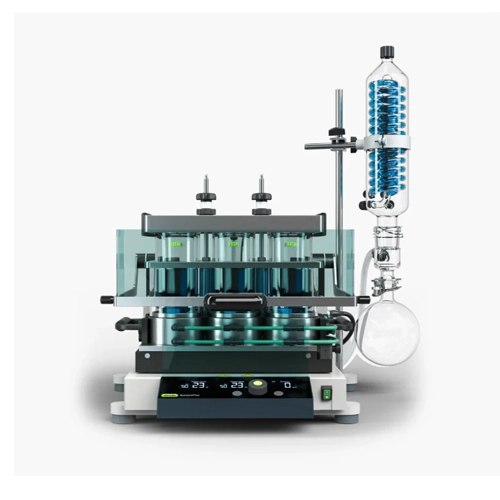
BÜCHI Sample Preparation
Syncore Plus and Rotavapor platforms for parallel concentration, solvent evaporation and general sample-preparation workflows.
Explore BÜCHI →
OMNILAB
Laboratory consumables, safety products, accessories and general equipment for routine petroleum laboratory operations.
Explore OMNILAB →
IWAKI Glassware
General and volumetric laboratory glassware for titration, sample preparation, solutions and routine analytical workflows.
Explore Glassware →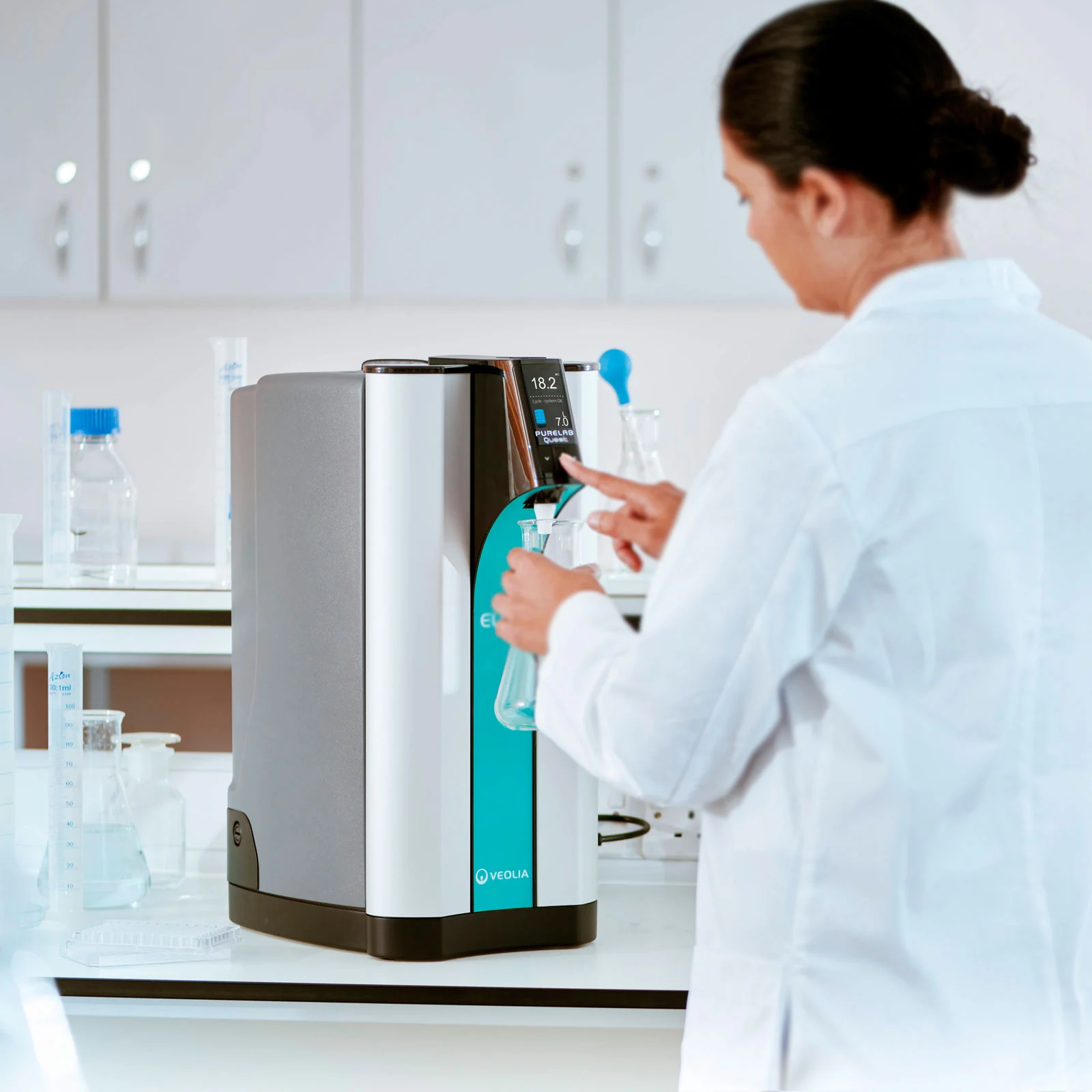
ELGA LabWater
Purified and ultrapure laboratory water for analytical workflows, reagent preparation and compatible instrument feed requirements.
Explore ELGA →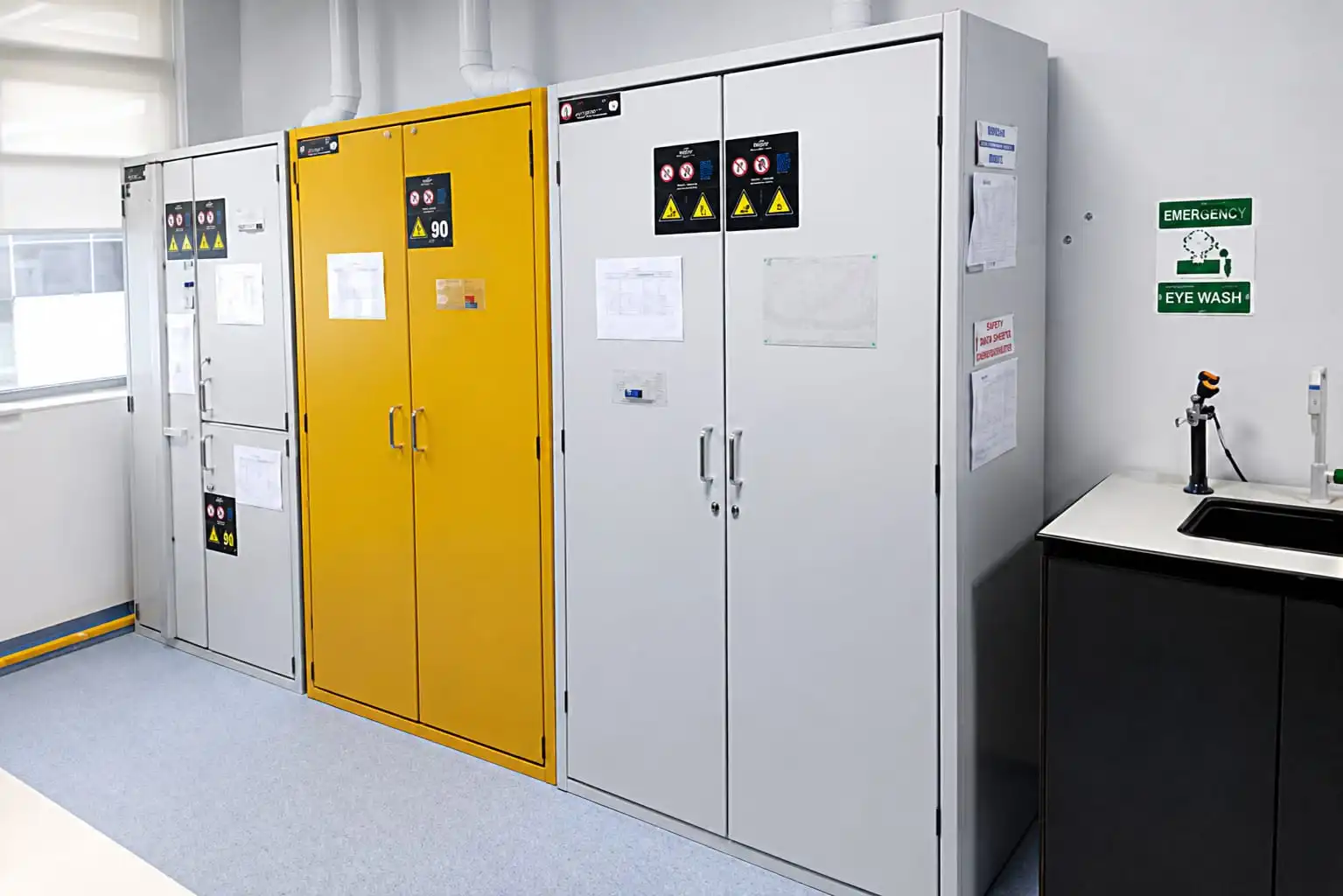
asecos Safety Storage
Fire-resistant and chemical safety cabinets for flammable solvents, acids, alkalis and hazardous materials used in petroleum laboratories.
Explore asecos →ASTM Petroleum Testing – Frequently Asked Questions
Common questions when selecting instruments for ASTM petroleum, fuel and lubricant testing.
Which instrument is used for ASTM D664 Total Acid Number?
What is the difference between ASTM D2896 and ASTM D4739 for TBN?
Which Karl Fischer system is used for ASTM D6304?
Can Metrohm measure mercaptan sulfur according to ASTM D3227?
What is Combustion Ion Chromatography used for in petroleum testing?
Can JULABO equipment support ASTM D445 kinematic viscosity testing?
Which ATAGO refractometer methods are relevant to petroleum testing?
Can NIR replace ASTM engine methods for RON and MON?
Which ASTM methods are important for biodiesel testing?
Which ASTM methods are relevant to bioethanol / fuel ethanol testing?
Can CWTC support bioethanol fermentation and process monitoring?
Need Equipment for Petroleum, Biodiesel, Bioethanol or Renewable-Fuel Testing?
Send CWTC the ASTM / EN method number, fuel type, process stage and expected concentration range. We can identify the appropriate laboratory method, NIR or process analyzer, electrode or accessory, inline concentration monitor, temperature-control requirement and supporting laboratory equipment.
Discuss Your ASTM Requirement